A standard sizing guideline for events plans one restroom unit per roughly 50 guests for a 4-hour event, with more units added as hours and alcohol service increase. A 100-guest backyard wedding in Longfellow usually…
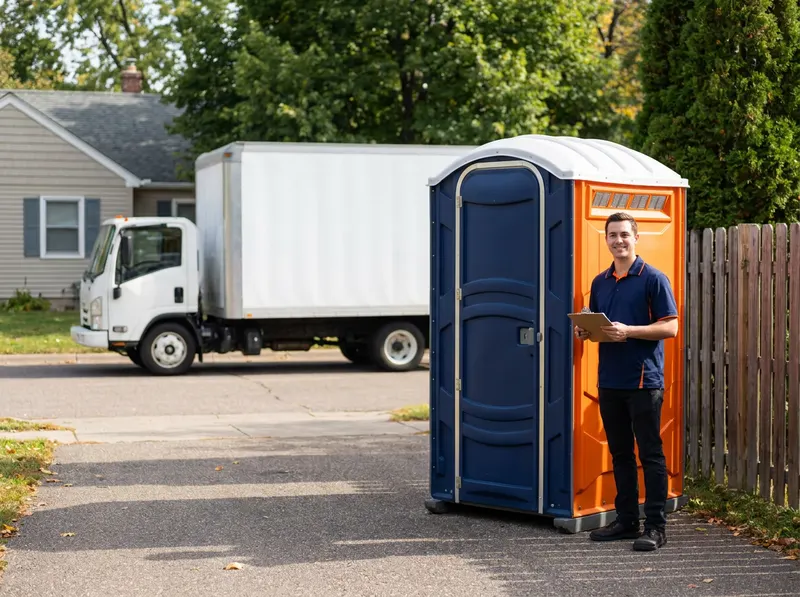
A standard sizing guideline for events plans one restroom unit per roughly 50 guests for a 4-hour event, with more units added as hours and alcohol service increase. A 100-guest backyard wedding in Longfellow usually needs 2 standard units plus 1 ADA stall and a shared handwash station; a 500-person festival at Powderhorn Park scales to 10 or more units with multiple handwash stands. Event-grade units carry a cleaner interior finish, a larger holding tank, and hand sanitizer inside, which separates them from the basic construction models used on job sites. Each ADA unit is a wheelchair-accessible ground-level stall with grab bars and a wider door, and the Americans with Disabilities Act guidance calls for at least one accessible unit in any public restroom bank.
Decision-fit comes down to guest count, ground surface, and how long the event runs. For a single-afternoon event of under 50 people in Seward or Camden, one standard unit plus a handwash stand meets the $250 minimum and clears the site the next business day. For a two-day festival near Boom Island Park or the Lake Harriet Bandshell, a package with mid-event servicing keeps tanks below capacity so units stay usable through the second afternoon; the trade-off is a higher total for the added pump-out visits versus running the same units unserviced and risking overflow by Saturday night. Weddings favor event-grade units with the handwash station placed away from the ceremony sightline; large public gatherings favor a higher unit count over premium finishes because throughput matters more than interior look.
Placement across Minneapolis follows a few local realities. Trucks need firm, level ground within about 40 feet of a driveable path, so units for a Loring Park lawn setup or a Cedar-Riverside lot are staged on pavement or packed grass rather than soft turf. Street placements in Uptown, Prospect Park, or Northeast may require a Minneapolis right-of-way or park-use permit from the city or Hennepin County, which the event organizer secures before the delivery date. Cold-weather events get antifreeze added to the tanks and more frequent servicing, since Minnesota freeze-thaw cycles slow tank function below freezing.
The order runs in four steps. First, the guest count, dates, and drop location are confirmed by phone or text. Second, a package is built with the unit mix and any ADA or handwash add-ons. Third, units are delivered and placed the day before or the morning of the event. Fourth, pickup follows the last event day, with servicing scheduled between days on multi-day runs.
Every job gets a firm, written price after a free on-site visit.
Tell us about your event restroom package rental job in Minneapolis and we'll send a clear, written quote, usually the same day.
 Mill City Portable Toilet Rental